For people buying from abroad
Buying property in Orlando while living abroad: the whole process, without the gloss
You don't need a green card, you don't need an investor visa and you don't need to come here. You need to understand eight things. They're here, in the order they show up in real life.
First of all: buying property does not get you a visa. I say this first because it's the wrong information that circulates most in WhatsApp groups and Instagram lives. Buying a house in the United States does not create a visa, a green card or a right to live here. There are visas that involve investment, and they have their own rules that aren't about residential property — that's an immigration lawyer's territory, not a realtor's. If someone sells you a house claiming it solves a visa, walk away from that conversation.
1. Foreigners can buy, with no status restriction
There is no immigration status requirement to own property in the United States. You buy in your own name, with your passport. There is a declaration to sign at closing because of a 2023 state law restricting purchases by citizens of certain countries — confirm the current list.
2. ITIN
It's the tax identification number for people without a Social Security number. You'll need it to declare rental income and for the sale process. It isn't hard and it isn't expensive, but it takes time — so start early.
3. Foreign national financing exists
It isn't the ordinary American mortgage, and nobody should promise you it is. Foreign national programmes usually ask for a much larger down payment — the down payment usually runs 20% to 30%, reaching 35–40% in non-warrantable condos — and a rate above market, without requiring US credit. Plenty of people buy cash and refinance later. I introduce you to the lenders and you compare; I earn nothing from that referral.
4. Property tax: you pay more than your neighbour
And it matters to understand why. Florida gives residents a partial exemption (homestead exemption) and a cap on annual increases in assessed value (Save Our Homes). Someone who doesn't live there gets neither. In practice: your tax is higher and can rise faster than your neighbour's on the same street, with the same house. It isn't a trap, it's public rule — it just needs to enter your maths beforehand, not after.

5. Short-term rental: the question that decides the deal
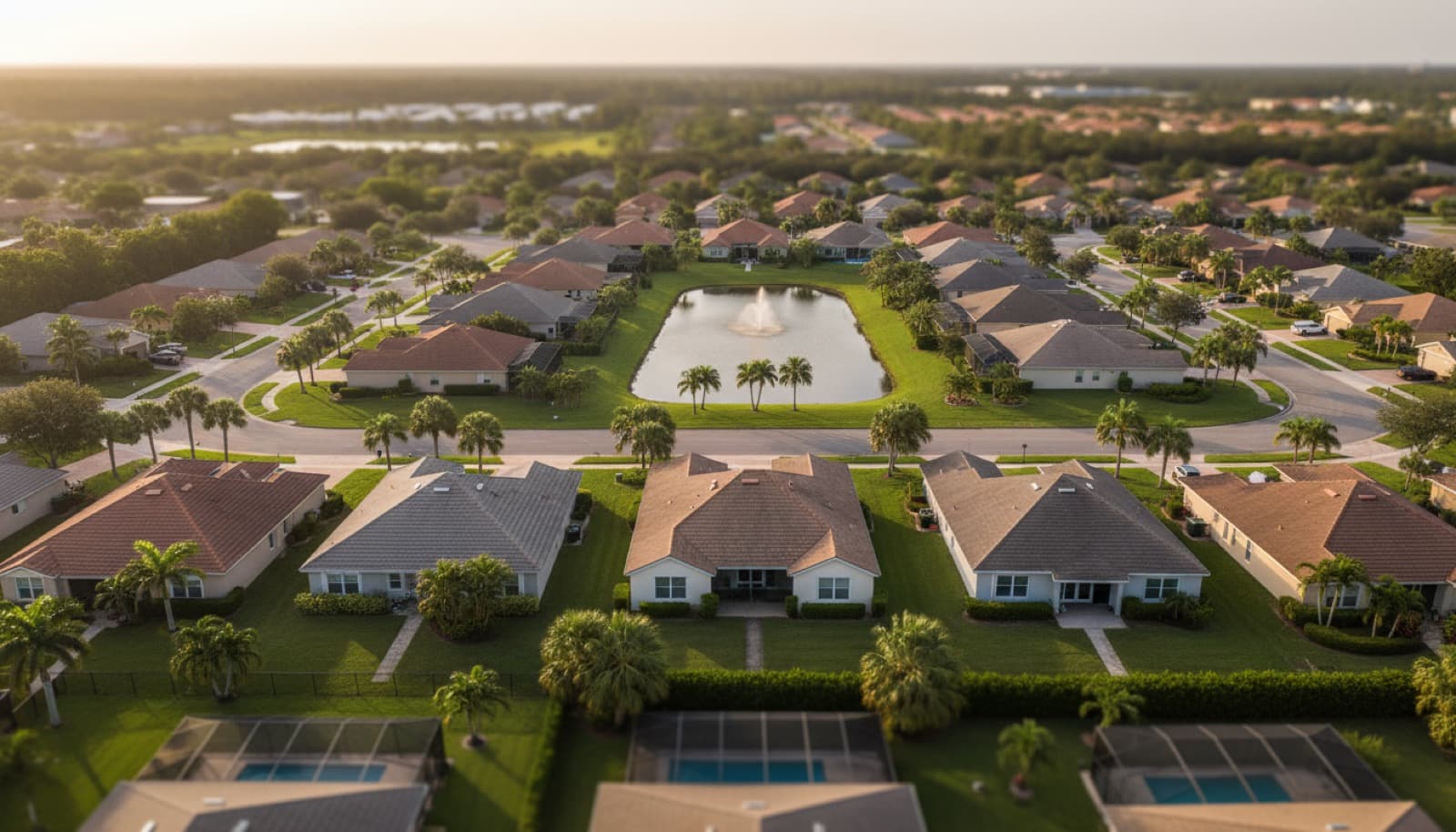
This is the one that hurts most. Not every house near the parks can be rented short term. Two different authorities decide, and both have to say yes: the city or county zoning, which varies a lot inside the same metro area; and the HOA covenants, which can prohibit short rental even where the city allows it, or require a minimum lease term. There are communities purpose-built for short-term rental, with licensing and management in place, and residential neighbourhoods where renting short is a violation. The listing photo is identical.
6. FIRPTA — what happens when you sell
When a foreign person sells property in the United States, the law requires the buyer's side to withhold a percentage of the sale price and send it to the IRS. It isn't a penalty and it isn't the final tax: it's advance withholding, and much of it usually comes back when the return is filed. There are reduction routes with a certificate, which have to be requested before closing. You plan this at purchase, you don't discover it at sale. And the person who settles that account is a CPA — I introduce you to one, and I'm not one.
7. Buying without coming here
Video tours, electronic signature and a power of attorney for closing. What I never recommend: buying without someone you trust having physically walked the house. Even if that someone is me, phone in hand, opening cupboards, running the shower and pointing at the bathroom ceiling.
8. After you buy: who takes care of it
Property manager, insurance, annual tax, maintenance, and who answers when a pipe bursts at two in the morning and you're in another time zone. That gets solved before closing, not after.
One thing I won't do
I won't tell you how much the house will yield. Nobody can, and whoever promises it is selling you something they can't deliver. I show you observed numbers, with a date and a source, and you decide. Order of magnitude, not a quote.
Tell me your situation on WhatsApp
Nothing on this page is legal, tax or immigration advice. Zoning, tax and immigration rules change. Confirm your situation with a lawyer and a CPA — I introduce you to both.
Send me a message
Portuguese, English or Spanish, whichever you prefer. If I don't answer immediately it's because I'm inside a house with someone — I come back the same day.

Licensed real estate professional in the State of Florida
- Agent
- Moisés Bispo · license 691656
- (530) 410-7172
- Phone
- (530) 410-7172